

What Is DeFi? A Beginner’s Guide to Decentralized Finance
A clear beginner’s guide to DeFi — how it works, common uses, the main risks, and what to check before getting started.
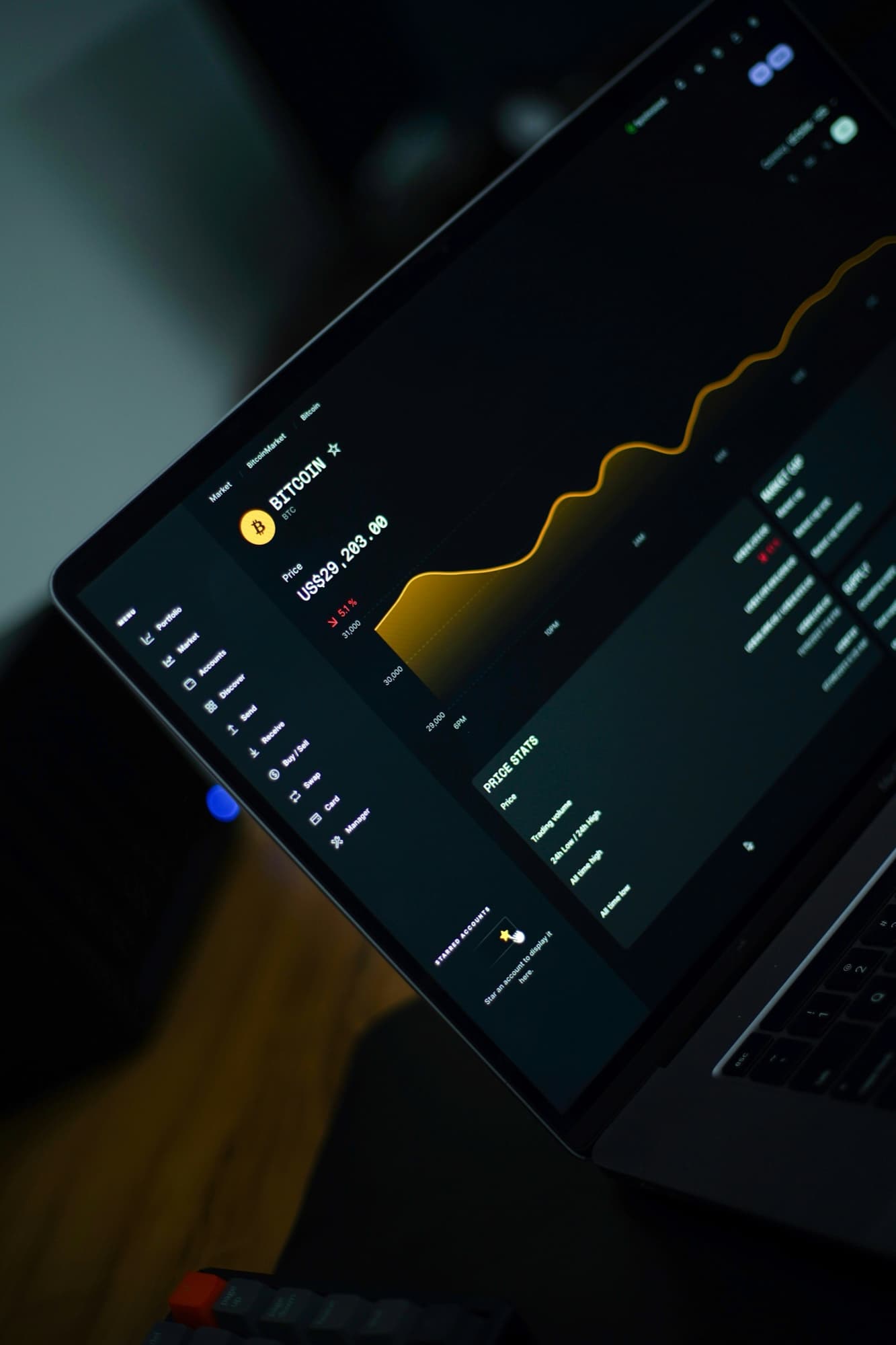
DeFi is one of the most talked-about ideas in crypto, but it’s often explained in a way that’s either too technical or too promotional. Eti-Tech takes a different approach: DeFi is best understood as a blockchain-based financial system — not a shortcut to easy returns.
For newcomers, the questions are simple: what is DeFi, how does it work, and what should you understand before using it? This guide answers them in plain language, with the focus on education rather than hype.
What is DeFi?
DeFi stands for decentralized finance. It refers to financial services that run on blockchain technology, usually through smart contracts, rather than through banks or other traditional intermediaries. If you’d like a second plain-language perspective, Swiss bank PostFinance has a useful explainer on decentralized finance.
In simple terms, DeFi is a way to lend, borrow, trade, and sometimes earn yield using software instead of a central institution. Many DeFi applications are built on public blockchains such as Ethereum, though other networks support similar systems.
How DeFi works
DeFi applications rely on smart contracts — self-executing programs on a blockchain that carry out rules automatically once certain conditions are met.
Instead of opening a bank account, you connect a crypto wallet to a protocol and interact directly with the code through decentralized applications, often called dApps. That makes DeFi open and accessible — but it also means you’re responsible for understanding the protocol you’re using, because there’s no bank standing behind it.
Common DeFi uses
DeFi covers a wide range of financial functions. The most common are lending, borrowing, asset swaps, trading, staking-related products, and sometimes insurance-style services.
For example, you might deposit assets into a lending protocol, swap one token for another on a decentralized exchange, or borrow against collateral without going through a bank. The appeal is speed, availability, and reduced reliance on intermediaries.
Why people use DeFi
People use DeFi for several reasons. Some want access to financial products without needing a bank account; others want more control over their assets, or more direct access to crypto-native markets.
DeFi is also permissionless. On a regulated platform, you complete identity verification (KYC) before you can trade. Most DeFi protocols skip that entirely — anyone can connect a wallet and start interacting. That openness is a large part of the appeal, but it also removes the safeguards a regulated platform provides, which is worth keeping in mind before you begin.
Main risks to understand
DeFi is not risk-free. Smart contract bugs, hacks, liquidity problems, oracle failures, and rapid price swings can all cause losses.
There’s also user-responsibility risk. If you make a mistake with a wallet, send assets to the wrong address, or approve a malicious contract, there may be no bank or support desk that can reverse it. This is also where bad actors concentrate, so learning to spot a crypto scam is essential before you connect a wallet to any protocol.
One more point: DeFi can be hard to evaluate. A protocol may look simple on the surface while carrying complex technical, market, and governance risks underneath.
DeFi versus traditional finance
Traditional finance relies on banks, brokers, exchanges, and custodians to process transactions and manage risk. DeFi tries to move many of those functions into software and public blockchains.
That doesn’t automatically make DeFi better or worse — it changes the trust model. Instead of trusting a bank, you’re trusting code, governance, and the security of the underlying blockchain. International regulators have looked closely at what that shift means: the Financial Stability Board’s review of the financial-stability risks of decentralised finance is a clear overview of where those risks sit.
DeFi versus Bitcoin
Bitcoin and DeFi are related, but they’re not the same thing. Bitcoin is a digital currency and network; DeFi is a broader category of financial applications, often built on blockchains like Ethereum. Investopedia’s overview is a good neutral reference for the textbook definition.
Think of how Bitcoin works as proving that digital value transfer is possible, while DeFi extends the idea into lending, trading, and other financial services. Both are part of the crypto ecosystem, but they solve different problems.
Is DeFi suitable for beginners?
DeFi can suit beginners — but only once they understand wallets, smart contracts, transaction approvals, and the risks of self-custody. Without that foundation, it’s easy to misjudge both the product and the risk.
Be especially wary of content that frames DeFi as passive income or guaranteed yield. That framing is misleading and doesn’t reflect how these protocols actually work.
What beginners should check
Before using DeFi, review:
- Which blockchain the protocol runs on.
- Whether the smart contracts have been audited.
- How liquidity is created and maintained.
- What fees, slippage, or gas costs apply.
- Whether the product is available and appropriate in your jurisdiction.
That last point matters in Switzerland, where how Swiss crypto regulation works affects which services are available and how they’re treated. A careful review beats a flashy headline — in DeFi, understanding the protocol is part of using it safely.
What beginners should remember
The simplest way to think about DeFi: it’s finance run by software, not by banks. That gives you more access and control, but it shifts more responsibility onto you.
If the protocol, the wallet, and the risks aren’t clear, the decision isn’t clear either — and that’s the moment to pause and learn more. If you’re just getting started and want a regulated, straightforward on-ramp first, how to buy Bitcoin in Switzerland is a calmer place to begin. That’s what Eti-Tech is built around — Swiss compliance over hype — and you can see exactly where it stands on our Registration page.
FAQ
- What is DeFi in simple terms?
- DeFi is a system of financial services built on blockchain technology that operates without traditional intermediaries such as banks.
- Is DeFi the same as crypto?
- No. Crypto is the broader category of digital assets, while DeFi refers to financial applications and services built on blockchains.
- Can you lose money in DeFi?
- Yes. You can lose money through smart contract bugs, hacks, price movements, liquidity issues, or user error.
- Do you need a wallet to use DeFi?
- Yes. Most DeFi applications require a crypto wallet so you can connect directly to the protocol.
- Is DeFi available everywhere?
- No. Availability depends on the protocol and your jurisdiction, and regulatory or compliance requirements may apply.
Related reading
Crypto-assets and DeFi applications involve significant risk. Their value can rise or fall, and you may lose part or all of your investment. DeFi can involve smart contract risk, custodial risk, liquidity risk, hacking risk, and jurisdictional restrictions. This article is for informational purposes only and does not constitute investment advice, an offer, or a solicitation. Eti-Tech AG is a VQF SRO member and a Swiss VASP.
Buy and manage crypto the regulated, Swiss way.