

Hot Wallet vs Cold Wallet: What's the Difference?
A clear guide to hot and cold crypto wallets: what each is, the trade-off between convenience and security, and how to use both together.
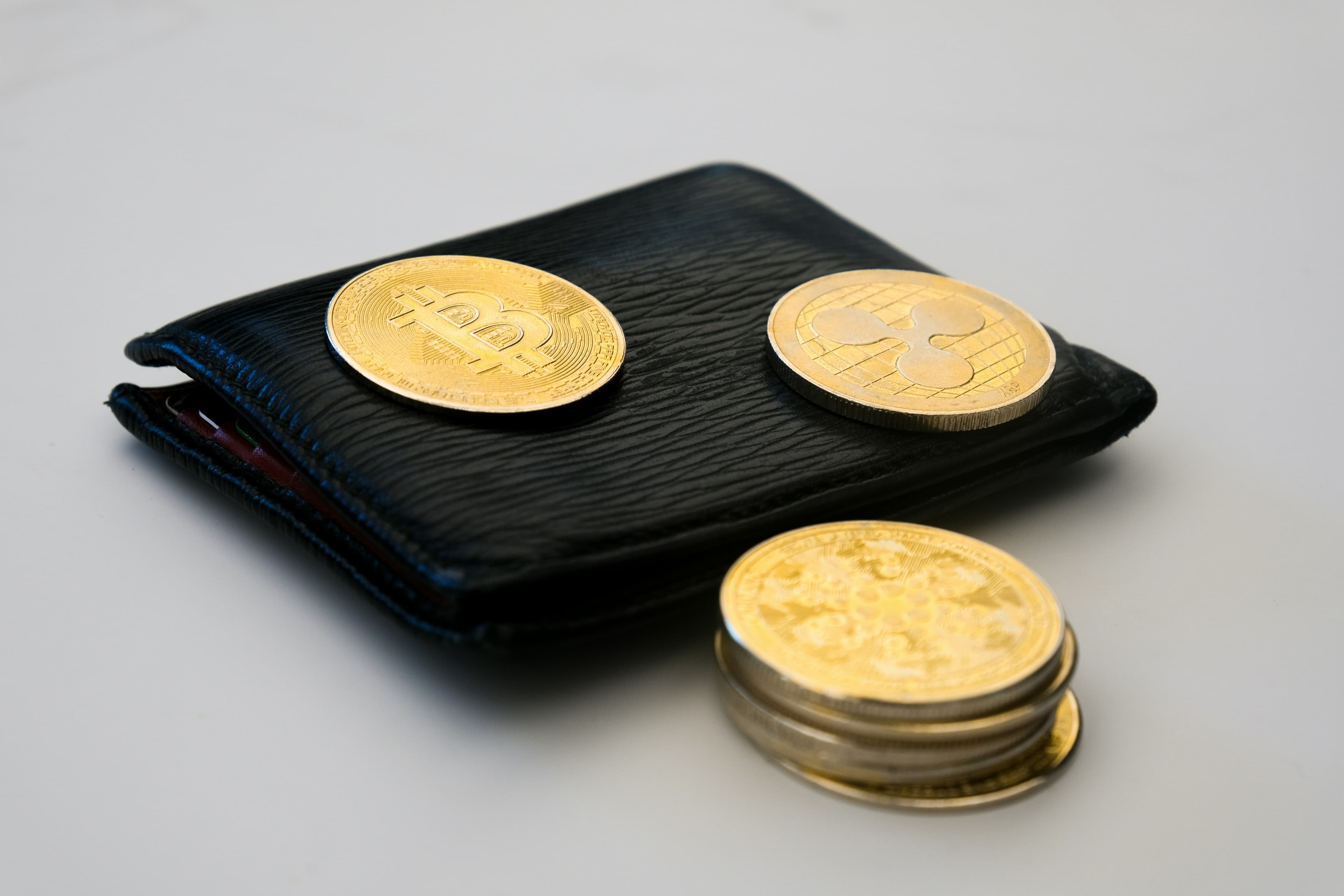
If you've started looking into how to store crypto safely, you'll have run into two terms: hot wallets and cold wallets. The difference between them is simple, and understanding it is one of the most practical things you can learn in crypto, because it directly affects how secure your assets are.
The distinction comes down to one thing: whether the wallet is connected to the internet. That single factor shapes how convenient a wallet is to use and how exposed it is to online threats.
At a glance
- The difference comes down to one thing: whether the wallet's keys are kept online (hot) or offline (cold).
- Hot wallets, apps and platform wallets, are convenient and quick, but more exposed to online threats. Best for smaller, everyday amounts.
- Cold wallets, usually a hardware device, keep keys offline, so they're harder to attack. Best for larger, long-term holdings.
- Neither is simply “better”; the mistake is mismatching them, for example a large holding in an always-online wallet, or trading from deep cold storage.
- Many people use both: a hot wallet for spending, a cold wallet for savings.
- Hot vs cold (connectivity) is a separate question from custodial vs non-custodial (who holds the keys).
Both are about your keys
Before comparing them, it helps to remember what a wallet actually does. As we explain in what a crypto wallet is, a wallet doesn't hold your coins, it holds the private keys that control them. Hot and cold wallets are simply two different ways of keeping those keys.
A hot wallet keeps your keys on something connected to the internet. A cold wallet keeps them offline. Everything else, the convenience, the security, the right use for each, follows from that.
What is a hot wallet?
A hot wallet is connected to the internet. It includes mobile wallet apps, desktop wallets, browser extensions, and the wallets built into online platforms. Because it's online, it's quick and convenient: you can check balances, send, and receive in seconds.
That convenience is also its weakness. Being connected to the internet means a hot wallet is more exposed to online threats, malware, phishing, and remote attacks. It's well suited to smaller, everyday amounts you want to access easily, much like the cash you carry in a physical wallet rather than the bulk of your savings.
What is a cold wallet?
A cold wallet keeps your keys offline. The most common form is a hardware wallet, a physical device that signs transactions without exposing your keys to the internet, though offline methods like a securely stored recovery phrase also count.
Because the keys never touch a connected device in normal use, a cold wallet is far harder for a remote attacker to reach. The trade-off is convenience: cold storage is slower and more deliberate to use, which makes it better suited to larger, longer-term holdings you don't need to touch often, the equivalent of a safe rather than a pocket.
The core trade-off: convenience vs security
The honest summary is that hot and cold wallets sit at opposite ends of the same spectrum. Hot wallets favour convenience and quick access, at the cost of more online exposure. Cold wallets favour security through being offline, at the cost of convenience.
Neither is simply “better.” A hot wallet that holds a small spending amount and a cold wallet that secures long-term savings are both being used correctly. The mistake is mismatching them, keeping a large, long-term holding in a constantly online wallet, or trying to trade actively from deep cold storage.
Use both together
In practice, many experienced users don't choose one, they use both, the way you'd split money between a current account and a savings account. A hot wallet holds a smaller, active balance for everyday use; a cold wallet secures the larger amount meant to stay put.
This split gives you the best of both: easy access to what you use regularly, and strong protection for what you're holding for the long term. As your holdings grow, moving the long-term portion into cold storage is one of the most effective security steps you can take.
Hot, cold, custodial, non-custodial
It's easy to confuse these terms, so it's worth separating them. Hot versus cold is about connectivity, whether the keys are online or offline. Custodial versus non-custodial is about control, whether you or a third party holds the keys, which we cover in custodial vs non-custodial wallets.
The two distinctions are independent. A wallet can be hot and non-custodial (a self-controlled mobile wallet), or cold and non-custodial (your own hardware device), and so on. When you assess where to keep your crypto, it's worth knowing both: who controls the keys, and whether those keys are online or off.
Keeping either wallet safe
Whichever you use, the same core rules protect you. Never share your private key or recovery phrase with anyone, and store your recovery phrase offline rather than in a screenshot, email, or cloud note. Double-check addresses before sending, since transactions are generally irreversible. For a neutral checklist, Bitcoin.org's guide to securing your wallet covers the same essentials.
Most crypto losses come from social engineering rather than broken technology, someone is tricked into revealing a key or approving a malicious transaction, so knowing how to spot a crypto scam protects a hot and cold wallet alike. The hardware or the app is rarely the weak point; the human is.
Which should you use?
If you're starting out with a modest amount, a reputable hot wallet, including the wallet on a supervised platform, is usually enough while you learn how everything works. It's convenient, and the amounts are small enough that the convenience is worth it.
As your holdings grow, add cold storage for the portion you want to protect most and don't need to access often. The progression is natural: start hot and simple, add cold as the stakes rise. Match the wallet to the job rather than treating one as universally right.
What to remember
Hot and cold wallets differ on one axis: whether your keys are online or offline. Hot wallets are convenient and more exposed; cold wallets are more secure and less convenient. The smart approach for most people is to use both, a hot wallet for everyday amounts, cold storage for long-term holdings.
If you're just getting started, a supervised Swiss platform is a straightforward place to buy and manage crypto while you learn, see how to buy Bitcoin in Switzerland for the steps, and our Registration page for how Eti-Tech is set up and supervised.
FAQ
- What is the difference between a hot wallet and a cold wallet?
- A hot wallet is connected to the internet, making it convenient but more exposed to online threats. A cold wallet keeps your keys offline, making it more secure but less convenient.
- Is a cold wallet safer than a hot wallet?
- For long-term storage, generally yes, because keeping keys offline puts them out of reach of remote attacks. But cold wallets are less convenient for everyday use, so many people use a hot wallet for small amounts and a cold wallet for larger holdings.
- What is an example of a hot wallet?
- Mobile wallet apps, desktop wallets, browser-extension wallets, and the wallets built into online platforms are all hot wallets, because they run on internet-connected devices.
- What is an example of a cold wallet?
- A hardware wallet, a physical device that keeps your keys offline, is the most common cold wallet. A securely stored offline recovery phrase is also a form of cold storage.
- Can I use both a hot and a cold wallet?
- Yes, and many people do. A common approach is a hot wallet for smaller, everyday amounts and a cold wallet for larger, long-term holdings.
Related reading
Crypto-assets involve significant risk. Their value can rise or fall, and you may lose part or all of your investment. Loss-of-access risk, security risk, and irreversible transactions may apply. This article is for informational purposes only and does not constitute investment advice, legal advice, an offer, or a solicitation. Eti-Tech AG is a VQF SRO member and a Swiss VASP.
Crypto, The Swiss Way.